


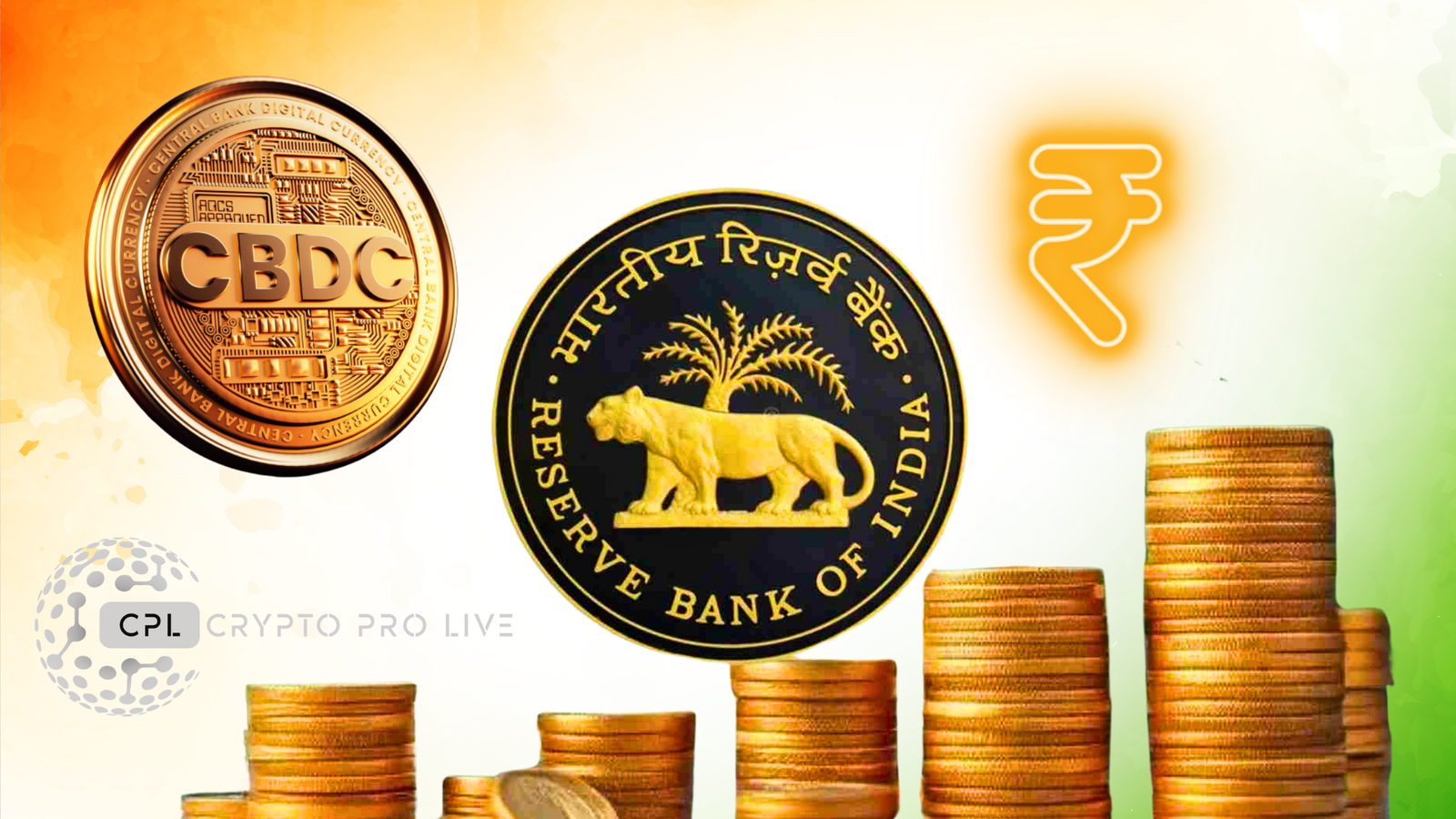
Pilot Activation RBI kicks off tokenized deposits pilot on October 8 with select banks, leveraging wholesale CBDC for instant interbank transfers.
Tokenized bank deposits enable 24/7 settlements, slashing costs by 15% and risks via programmable smart contracts.
Finance Minister hints at stablecoin regulations, positioning India as global leader in tokenized assets worth $10T by 2030.
The Reserve Bank of India (RBI) has officially greenlit its tokenized deposits pilot, set to launch on October 8, 2025, marking a bold stride into blockchain-based banking. Revealed by RBI Chief General Manager Suvendu Pati during a Mumbai fintech event on October 7, the initiative transforms traditional bank deposits into digital tokens on a secure ledger, anchored by the wholesale e-rupee (CBDC). This move, amid surging searches for “RBI tokenized deposits” and “India CBDC updates,” signals India’s pivot from crypto caution to controlled innovation, with real-time settlements poised to overhaul $3 trillion in annual digital payments.
Recent updates confirm collaboration with “a few select banks” in the wholesale segment, focusing on interbank transfers without retail exposure yet. Pati emphasized a “risk-managed” approach, ensuring tokens maintain 1:1 parity with fiat deposits while harnessing distributed ledger technology (DLT) for transparency. As of October 8 morning, pilot operations commenced seamlessly, with early tests reporting zero friction in mock settlements—faster than legacy systems by up to 20x. This builds on the wholesale CBDC pilot launched November 1, 2022, which has already streamlined government securities trading.
Unpacking Tokenized Deposits Blockchain Meets Everyday Banking
Tokenized deposits digitize fiat holdings into blockchain tokens, redeemable instantly and transferable across platforms. Unlike stablecoins, these are issued by regulated banks, backed by central bank money for ironclad integrity. The pilot’s wholesale focus targets institutional flows, enabling smart contract automation for conditional payments—think escrow-free trade finance or programmable yields.
India’s fintech boom, with 2,000+ startups and UPI’s 1.4 billion users, amplifies the potential. By reducing settlement times from days to seconds, tokenized deposits could cut operational costs by 15%, per RBI estimates, while curbing illicit finance through immutable ledgers. Global parallels abound: Europe’s Project Agorá and Singapore’s trials echo this, but RBI’s CBDC integration sets a unique benchmark for emerging markets.
CBDC as the Ironclad Foundation Wholesale e-Rupee Powers Up
At the pilot’s core is the wholesale CBDC (e₹-W), providing finality and counterparty safeguards absent in private tokens. Since its 2022 debut, e₹-W has facilitated $50 billion in securities settlements, with usage rebounding 25% in Q3 2025 amid rate cuts. Tokenized deposits layer atop this, allowing banks to issue tokens for peer-to-peer wholesale ops, potentially extending to money market instruments like commercial papers.
Finance Minister Nirmala Sitharaman’s October 7 remarks added fuel: “India must adapt to new money forms like stablecoins and tokenized assets,” urging regulatory frameworks to balance innovation and stability. This hints at forthcoming guidelines, possibly by Q1 2026, aligning with the Digital Personal Data Protection Act for privacy.
Global Echoes and Future Horizons
The launch has ignited X (formerly Twitter), with #RWA trending as influencers hail India’s “RWA race” entry—tokenized bonds in the US, gold in the Middle East, now deposits here. Posts from @RWAwatchlist_ and @AzureCapital_ project $10 trillion in tokenized real-world assets (RWAs) by 2030, with India capturing 10% via pilots like this.
Challenges persist: Interoperability with legacy systems and cybersecurity loom, but RBI’s phased rollout mitigates them. For the 500 million unbanked, this could unlock microfinance via wallet-based tokens, boosting inclusion.
As October 8 unfolds, the pilot’s success could fast-track retail tokenized deposits, weaving blockchain into India’s $5 trillion economy. Pati’s words ring true: “Integrity first, innovation follows.” In the tokenized era, RBI isn’t just testing waters—it’s charting the future of money.
Disclaimer: All content published by Crypto Pro Live (CPL) is intended solely for informational and educational purposes. It does not constitute financial, investment, or legal advice. While we strive for accuracy and reliability, CPL assumes no responsibility for any financial decisions, losses, or actions taken based on the information provided. Readers are encouraged to conduct thorough research and seek professional guidance before making investment choices.
Nikolai Carter